
Certified SaaS for Efficient Multi-Drone Operations
Updated: Jan 8
Enhancing Drone Cyber Safety Through Multi-Layered Protection
The landscape of drone technology is evolving at an unprecedented pace, presenting significant challenges in the simultaneous management of multiple drones. As various industries increasingly adopt drone solutions for a wide range of functions, the necessity for robust management systems becomes paramount. This is where specialized Software as a Service (SaaS) platforms come into play, specifically designed for the effective management of multiple drones. These platforms not only streamline operations but also bolster safety, compliance, and data handling.
Drone Cyber SOC + Multi-Vendor Security Hub
To ensure the highest levels of cyber safety in drone operations, implementing a comprehensive security framework is essential. A Drone Cyber Security Operations Center (SOC) integrated with a Multi-Vendor Security Hub offers a multi-layered approach to protection. This combination provides real-time monitoring, threat detection, and incident response capabilities, safeguarding drone operations against potential cyber threats. By leveraging these advanced security measures, organizations can enhance their drone management systems, ensuring they remain safe and compliant in an increasingly complex digital landscape.
Overview of Cyber Safety in Multi-Drone Operations
Cyber safety in multi-drone operations is crucial for protecting sensitive data and ensuring the integrity of drone systems. With the concurrent deployment of several drones for tasks such as aerial surveys, agricultural assessments, search and rescue missions, and infrastructure evaluations, implementing robust cybersecurity measures is essential. This includes establishing a Drone Cyber Security Operations Center (SOC) and a Multi-Vendor Security Hub to provide layered security solutions that address potential threats.
Primary Cybersecurity Challenges in Managing Multiple Drones
Coordination and Communication Security: Ensuring secure communication channels between drones to prevent interception and unauthorized access, while maintaining operational coordination.
Data Protection: Safeguarding the data collected from various drones against breaches and ensuring secure storage and transmission protocols.
Regulatory Compliance: Adhering to cybersecurity regulations and standards specific to drone operations, including data privacy laws and airspace security requirements.
Real-Time Threat Monitoring: Implementing continuous monitoring for potential cyber threats, including intrusion detection systems that can identify anomalies in drone operations.
Operator Training in Cybersecurity: Ensuring that drone operators are trained not only in drone operation but also in recognizing and responding to cybersecurity threats.
Implementing Layers of Security
To enhance cyber safety in multi-drone operations, organizations should consider the following layered security approaches:
Drone Cyber SOC: Establish a dedicated Cyber Security Operations Center to monitor, detect, and respond to cyber threats targeting drone systems.
Multi-Vendor Security Hub: Integrate security solutions from various vendors to create a comprehensive security framework that addresses diverse threats and vulnerabilities.
Regular Security Audits: Conduct frequent assessments of cybersecurity measures and drone systems to identify and mitigate potential risks.
Incident Response Plan: Develop and maintain a robust incident response strategy to address any cyber incidents swiftly and effectively.
Importance of Certified SaaS in Multi-Drone Management
Certified SaaS platforms provide a comprehensive approach to the challenges encountered in multi-drone operations. These platforms are designed to be user-friendly, adaptable, and compliant with industry standards. Below are some key features and benefits of using certified SaaS for drone management:
1. Unified Control
Certified SaaS platforms allow operators to manage all drones from a single centralized interface. This unified control simplifies coordination and reduces the likelihood of errors. Operators can plan missions, monitor drone conditions, and analyze data without having to switch between different applications.
2. Improved Safety Features
Safety is paramount in drone operations. Certified SaaS platforms often include features such as geofencing, which prevents drones from entering restricted areas, and automated fail-safes that ensure drones return to their launch points in emergencies. These features help mitigate the risks associated with operating multiple drones.
3. Data Integration and Insights
The data collected from drones can be extensive and complex. Certified SaaS platforms typically offer robust data integration capabilities, allowing users to combine data from various sources. Advanced analytical tools can then be used to extract insights, facilitating better decision-making and operational improvements.
4. Compliance Management
Navigating the regulatory landscape can be challenging for drone operators. Certified SaaS platforms often include compliance management features that help users stay up-to-date with local laws. This may include automated reporting and notifications regarding any regulatory changes that could affect operations.
5. Scalability
As organizations grow, their drone operations may expand as well. Certified SaaS platforms are designed to scale according to user needs. Whether adding more drones or expanding to new locations, these platforms can support growth without requiring significant additional investment.
Examples: Effective Use of Certified SaaS
Example 1: Agricultural Monitoring
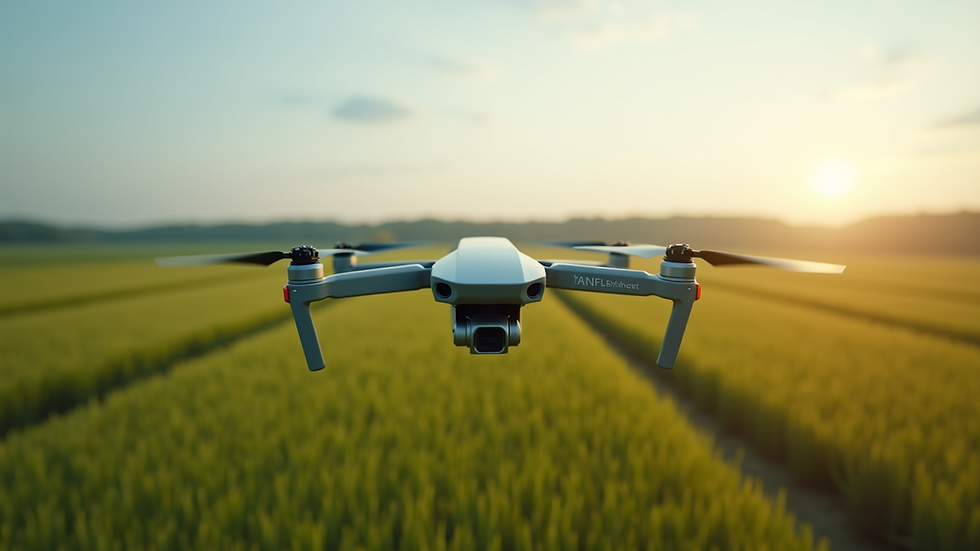
A leading agricultural company implemented a certified SaaS platform to manage its fleet of drones for crop monitoring. The platform enabled the company to coordinate multiple drones for simultaneous data collection, significantly reducing the time required for crop evaluations. The integrated analytics tools provided actionable insights, leading to improved crop yields and reduced operational costs.
Example 2: Infrastructure Inspections
A utility provider faced challenges in inspecting its extensive power line network. By adopting a certified SaaS solution, the company was able to deploy multiple drones for simultaneous inspections. The unified control feature allowed operators to monitor all drones in real-time, ensuring thorough inspections while minimizing downtime. The analyzed data helped identify maintenance needs, ultimately enhancing safety and reliability.
Choosing the Appropriate Certified SaaS Platform
Selecting the appropriate certified SaaS platform for multi-drone operations is vital for achieving success. Consider the following factors:
1. Ease of Use
The platform should feature an intuitive interface, enabling operators to manage drones effortlessly. A complex learning process can reduce productivity and cause operational mistakes.
2. Customization Capabilities
Each operation has its own unique requirements. Seek a platform that provides customization capabilities to adjust features according to specific operational demands.
3. Customer Support
Dependable customer support is critical, particularly during the initial setup phase. Verify that the provider offers extensive support, including training materials and prompt assistance.
4. Integration Abilities
The platform should integrate smoothly with current systems and tools, ensuring seamless data flow between applications and enhancing overall efficiency.
5. Security Measures
Data protection is crucial. Opt for a platform that utilizes strong security measures to safeguard sensitive information and comply with data protection laws.
Emerging Trends in Multi-Drone Operations
With ongoing technological advancements, several trends are emerging in multi-drone operations:
1. AI Integration
AI is poised to significantly enhance multi-drone operations. From automated flight planning to sophisticated data analysis, AI can boost efficiency and decision-making.
2. Greater Autonomy
Future drones are anticipated to operate with increased autonomy, minimizing the need for constant human supervision. This shift will allow operators to concentrate on strategic decisions rather than routine management.
3. Improved Collaboration
Collaboration between drones and other technologies, such as IoT devices, will become more common. This integration will facilitate comprehensive data collection and analysis, resulting in better operational insights.
4. Regulatory Changes
As drone technology progresses, regulations will also evolve. Operators must stay updated on legislative changes and adjust their operations as needed.
Conclusion
Certified SaaS platforms are transforming the management of multi-drone operations. By offering centralized control, enhanced safety features, and robust data management, these platforms empower businesses to operate more efficiently and effectively. As the industry expands, adopting a certified SaaS solution will be crucial for organizations aiming to remain competitive in the drone sector.
Investing in the right technology now will lay the groundwork for successful multi-drone operations in the future. Embrace the future of drone management and explore certified SaaS solutions that can revolutionize your operations.


Comments